
September 15, 2026
Precision in Utility Benchmarking: Beyond Mere ComplianceRead Article


September 22, 2026
The Financial Case for Decennial Energy AuditsRead Article
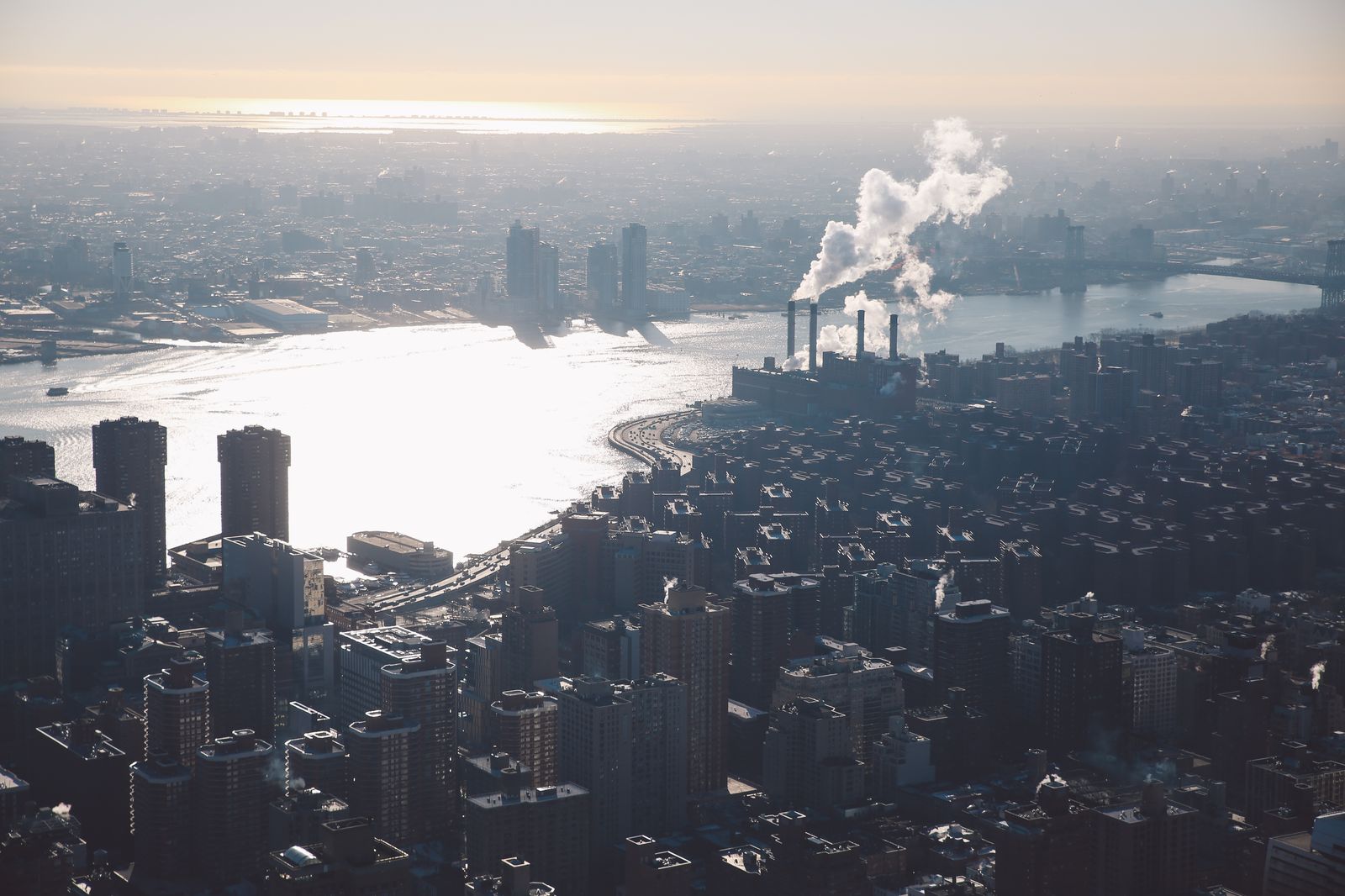
Local Law 97 of 2019 is arguably the most ambitious building emissions legislation in the world. With the first compliance period (2024–2029) now underway, the focus is shifting toward the significantly more stringent carbon caps that take effect in 2030. Property owners and managers must adopt a proactive, portfolio-wide strategy to mitigate substantial financial exposure.
The 2030 emissions limits represent a significant reduction from the 2024–2029 limits. Buildings that comfortably meet the initial requirements may find themselves facing substantial penalties if further efficiency measures are not implemented.
Compliance requires careful alignment of capital planning with building life cycles. Retrofits, equipment replacements, and system upgrades should be sequenced to maximize carbon reduction while optimizing capital deployment.
Transitioning from fossil fuels to electric heating and hot water systems is a cornerstone of deep decarbonization. However, this process requires careful load analysis and potential electrical infrastructure upgrades.
September 15, 2026
Precision in Utility Benchmarking: Beyond Mere ComplianceRead Article
September 22, 2026
The Financial Case for Decennial Energy AuditsRead Article
Engage our boutique administrative practice to seamlessly navigate New York City's regulatory mandates on your behalf.
Initiate Consultation
Benchmarking.nyc
The premier regulatory compliance concierge for NYC property owners. Elevating the standard for Local Law 84, 87, 95, and 97 management.