Comprehensive annual submission of building energy and water consumption data.
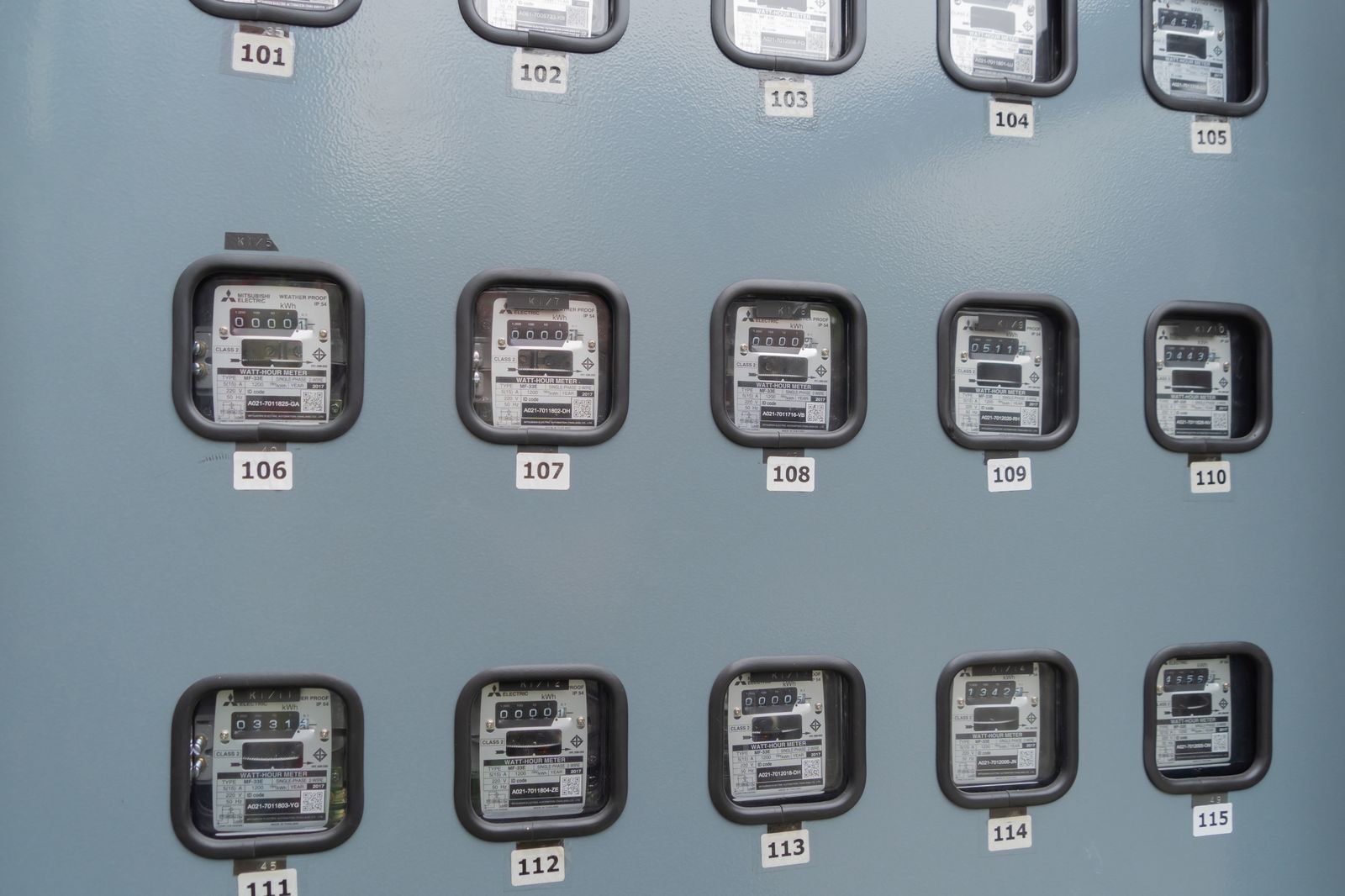
Local Law 84 requires owners of large New York City buildings to measure and report their annual energy and water use. Covered buildings submit a benchmarking report each year through the EPA's ENERGY STAR Portfolio Manager, due by May 1 and covering the previous calendar year.
Benchmarking.NYC coordinates the utility data collection, Portfolio Manager setup, data review, and submission needed to complete an accurate LL84 filing.
Our goal is to help property owners, managing agents, and boards file on time with data they can stand behind, and to show how that data feeds the building's LL95 energy grade and LL97 emissions report.
Local Law 84 of 2009, as amended by Local Law 133 of 2016, applies to buildings over 25,000 gross square feet, two or more buildings on the same tax lot that together exceed 100,000 gross square feet, and two or more condominium buildings governed by the same board that together exceed 100,000 gross square feet. The City publishes a Covered Buildings List each year.
The benchmarking report records the building's whole-building energy use, including electricity, natural gas, fuel oil, and district steam, together with water use and property details such as gross floor area and space types. Once submitted, the data produces the building's ENERGY STAR score where the property type allows one, and that score sets the energy grade the building must post under Local Law 95.
Our LL84 benchmarking service may include:
A missed or late LL84 filing can result in Department of Buildings violations and fines. Errors in the underlying data also carry forward into the building's public energy grade under LL95 and its emissions report under LL97, and the City publishes benchmarking results, so mistakes are visible to tenants, buyers, and lenders.
A properly prepared filing keeps the building compliant and gives the owner a reliable baseline for planning efficiency and carbon-reduction work.
Benchmarking.NYC treats LL84 as the foundation of a building's Local Law compliance rather than a one-off form. We check the data against the building's actual meters, fuel records, and floor area, so the same numbers hold up when they are used for the LL95 grade and the LL97 emissions report.
We coordinate the data collection, review, and submission on the owner's behalf. This reduces the risk of late filings, data gaps, and avoidable violations.

At a glance

Buildings over 25,000 sq ft
Filed annually in ENERGY STAR Portfolio Manager
Reports prior-year energy and water use
Feeds the LL95 grade and LL97 report
Inquire Further
Inquiries
Clear answers on timelines, filings, penalties, and the evolving NYC Local Law landscape.
What is your typical turnaround time for compliance review?
Do you guarantee acceptance of filings by municipal agencies?
Can penalties still apply if a filing is completed post-deadline?
Are the regulatory thresholds fixed?
Engage our boutique administrative practice to seamlessly navigate New York City's regulatory mandates on your behalf.
Initiate Consultation
Benchmarking.nyc
The premier regulatory compliance concierge for NYC property owners. Elevating the standard for Local Law 84, 87, 95, and 97 management.